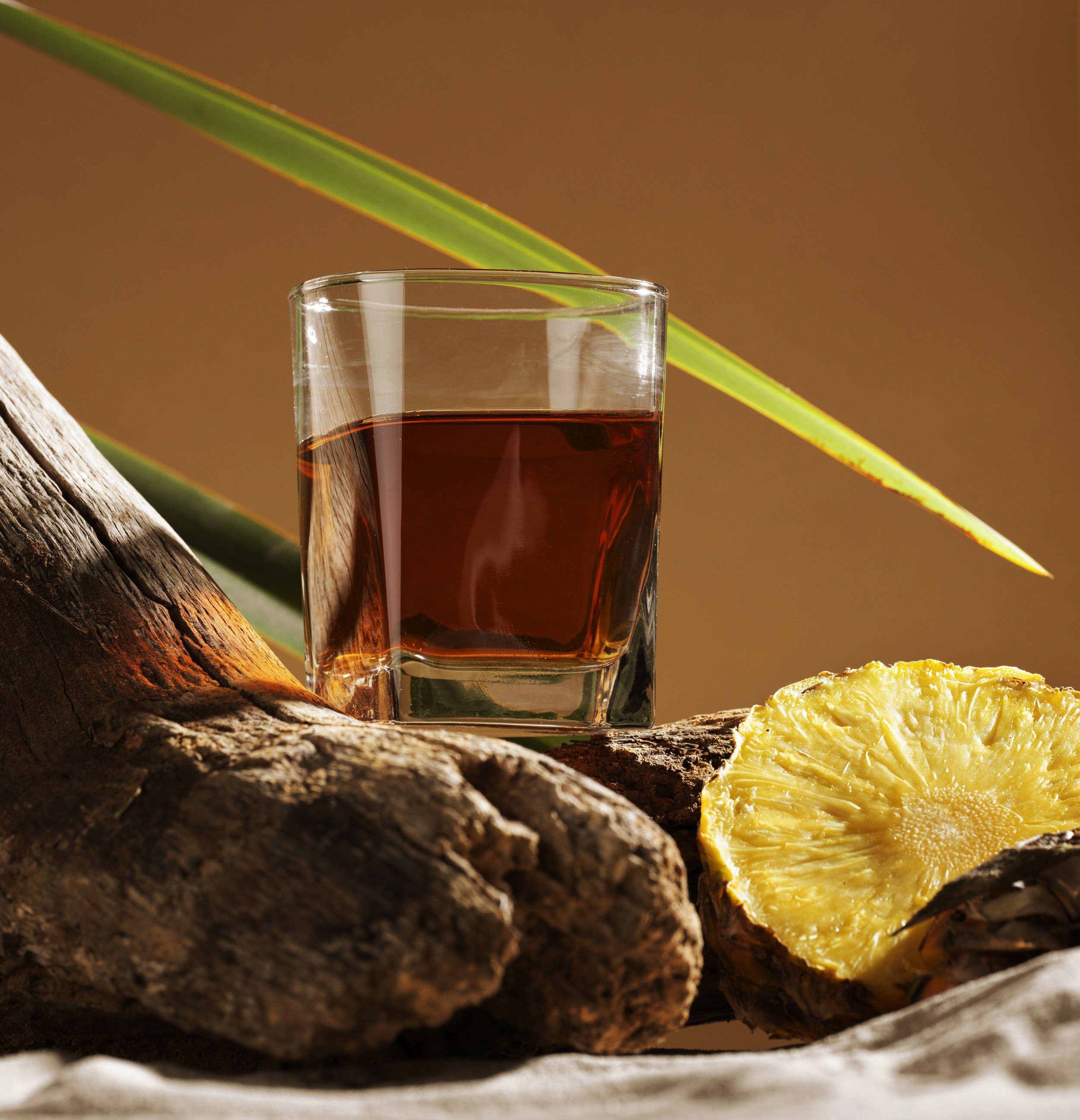
Dominican rum
History, production, main characteristics
The Dominican Republic has a rich tradition of rum production, with a history that dates back hundreds of years in the Caribbean. Dominican rum is not just a popular and tasty spirit; it is also an expression of local culture, traditions, and Caribbean flavors. Whether enjoyed in a refreshing cocktail or on its own, Dominican rum certainly offers unique tasting experiences.
The history of rum
The origins of rum trace back to Asia, but it gained real popularity in the Caribbean. Interestingly, it was in the 17th century that slaves working on plantations noticed that molasses, a byproduct of sugar refining, began to ferment in the warm tropical climate. The rum produced from this fermentation quickly became popular, and the production moved to tropical plantations with the perfect climate.
In the 18th century, rum was already one of the most beloved drinks on the American continent, with consumption averaging about 14 liters per person per year. Its popularity waned during the 19th century due to various commercial restrictions and Prohibition; however, after the end of Prohibition in 1933, rum experienced a renaissance.
Production
The process of producing rum consists of several steps, each requiring special care.
1. Harvesting and Extraction: The sugarcane is pressed immediately after harvesting to extract the sugarcane juice. This step is essential to preserve the high sugar content and to prevent the appearance of bacteria that could cause fermentation.
2. Fermentation: The extracted sugarcane juice or molasses is then placed in fermentation tanks. Diluted with water and combined with the right sugar content and yeast, the fermentation process begins. It is during fermentation that the delicious and fruity esters are produced, enriching the character of the rum.
3. Distillation: Various techniques are used in distillation, such as pot stills and column stills, which help concentrate the flavors and maintain purity. The taste of the resulting distillates greatly depends on the distillation methods used.
4. Aging: During the aging process, rum rests in oak barrels, where it gains a richer flavor profile. The duration of traditional aging can vary, but over time, the color and flavor of the rum also intensify. Interestingly, many white rums are also aged in oak barrels before being bottled.
5. Blending: Aged rums are blended with distillates of different ages and styles to achieve the desired flavor profile. The age noted on the bottle refers to the youngest rum in the blend.
Main Characteristics of Dominican Rum
Dominican rum is made exclusively from molasses or sugarcane juice, and its unique flavor profile is thanks to the aging in oak barrels. It is characterized by notes of vanilla, caramel, and spices, providing a rich tasting experience. The most popular brands include Barceló, known for its innovation, and Brugal, which is favored both in the local market and across the Caribbean. The alcohol content is at least 37.5%, allowing it to shine in various cocktails.